Gastroscopy
A gastroscopy examines the oesophagus, stomach and the first part of the small bowel using a thin flexible camera passed through the mouth while you are sedated. It is a short procedure, and you are home the same day. Common reasons for gastroscopy include:
- Heartburn and reflux, and assessment before anti-reflux surgery
- Difficulty swallowing (dysphagia) or food sticking
- Upper abdominal pain or persistent indigestion
- Iron deficiency anaemia
- Unexplained weight loss or vomiting
Colonoscopy
A colonoscopy examines the whole large bowel with a flexible camera, under sedation, after a bowel preparation the day before. Polyps can be removed and biopsies taken during the procedure. Common reasons for colonoscopy include:
- Rectal bleeding
- A change in bowel habit
- Iron deficiency anaemia
- Abdominal pain
- A family history of bowel cancer, or surveillance after previous polyps
Why have endoscopy with a surgeon
Accurate diagnosis is the foundation of good treatment. Having your endoscopy within a surgical practice means that if the findings need an operation, gallbladder disease or a hernia found during assessment for example, the pathway to treatment is direct and within the one team.
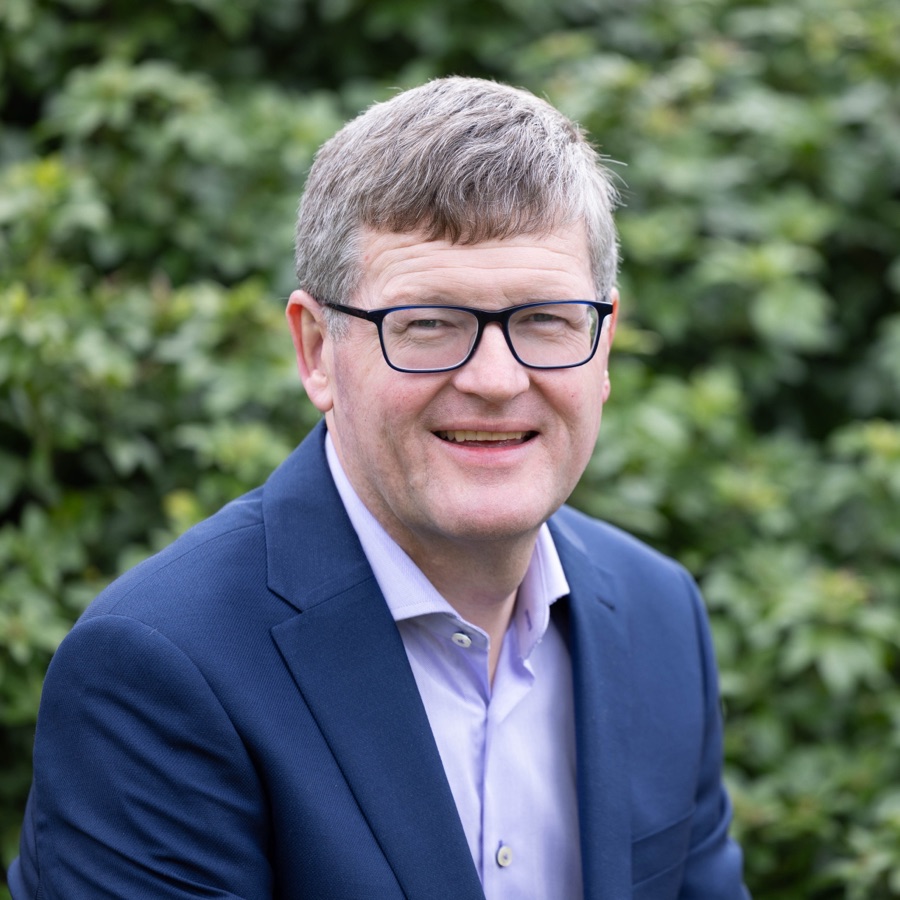
Dr Grant Coulter, a highly respected Christchurch general surgeon and endoscopist with 40 years of surgical experience, sees and assesses patients with abdominal pain and performs gastroscopy and colonoscopy as necessary. He no longer performs surgical procedures, so if surgery is needed he refers you directly to Dr Kelly or Dr Flint.
What to expect on the day
Endoscopy is a half-day procedure performed under sedation administered by your surgeon, so you will need someone to drive you home and should not drive, work or make important decisions for the rest of the day. The rooms will send you written instructions, including fasting times and, for colonoscopy, the bowel preparation. Your endoscopist will discuss the findings with you afterwards, and any biopsy results are followed up with you and your GP.
Where to start
Send a request through this page or call the rooms on 03 375 4949. No GP referral is required, although one is welcome. Please tell the rooms if you take blood thinners or have diabetes, as your preparation may need adjusting.